
Meet the 4MOST Team
Discover the people behind 4MOST! Learn about our astronomers, engineers, and data specialists.
Lisa Kelsey
University of Cambridge
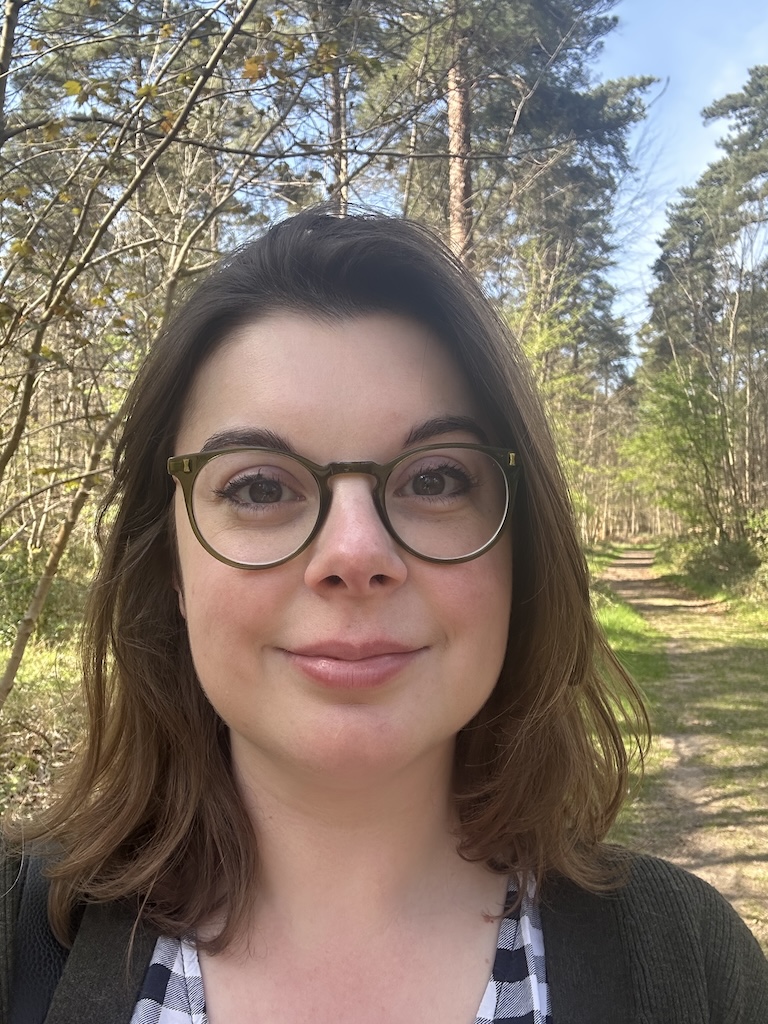
Co-lead of 4MOST Science Communication Working Group, Member of TiDES (S10)
Research Focus
I investigate the host galaxy environments of type Ia supernovae to better understand their use in cosmology as standardisable candles. I'm particularly interested in cases where there are multiple supernovae associated with the same host galaxy, known as "supernova siblings".
Favourite Astronomical Phenomenon
Supernovae
What excites me most about 4MOST
As part of TiDES, I'm excited by the ability to follow-up and spectroscopically classify tens of thousands of transients in the first days after their discovery using 4MOST's ability to obtain spectra for around 2400 sources simultaneously. This will revolutionise our understanding of the astrophysics behind these explosions, alongside building a huge spectroscopically-classified sample of Type Ia supernovae for cosmology.
Harry Addison
University of Surrey
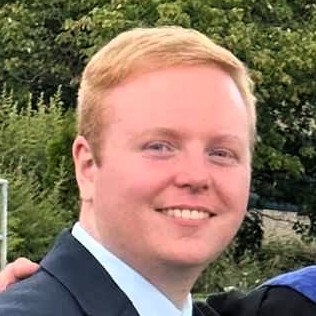
Member of Science Communication Working Group, Member of Commissioning Team, Member of TiDES (S10)
Research Focus
My work focuses on transients including luminous red novae and supernovae. In the past I have worked on the development of methods for predicting future luminous red novae, the selection of early time transients for follow-up with 4MOST, and the development of spectral analysis methods for supernovae.
Favourite Astronomical Phenomenon
Luminous red novae
What First Drew Me to Astronomy
The opportunity to discover and understand new and interesting things particularly in astrobiology (aliens!) and explosive astrophysical events (who doesn't like a good explosion).
What Excites Me Most About 4MOST
The scale and ambition of the project. From the large supernova samples we will produce to the impressiveness of the hardware, particularly the fibre positioner and its ability to position ~2400 fibres to micrometer precision in a matter of seconds. Most important though is the welcoming nature of the collaboration and the opportunities it provides, such as the opportunity to commission 4MOST.
Matthew Quilt
University of Southampton
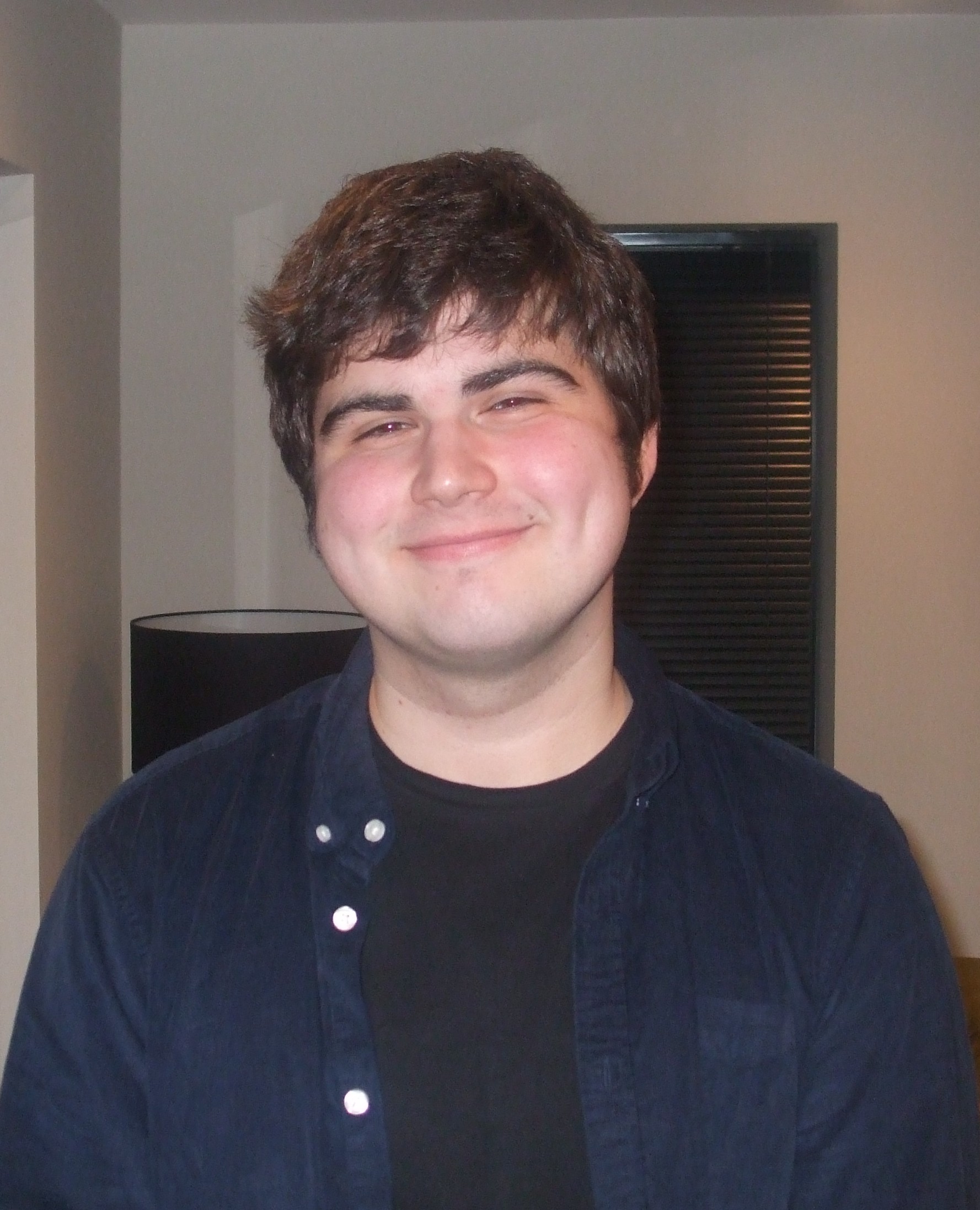
Member of Science Communication Working Group, Member of TiDES (S10)
Research Focus
Ambiguous Nuclear Transients (ANTs), a mysterious class of explosive events that occur around the central supermassive black hole of a galaxy. They share some properties with tidal disruption events (TDEs) where a star is ripped apart by the gravitational pull of the black hole, but also share some properties with active galactic nuclei (AGN) which are bright regions around galaxy centres powered by supermassive black holes accreting gas. However, they do not fit into either category completely and their origin is ambiguous. ANTs are extremely bright, with one ANT setting the record for the most energetic space explosion observed in optical wavelengths of light. I am interested in using machine learning to find more of these events (as they start) in the huge data streams from new telescopes and use 4MOST to get more detailed information about them.
Favourite Astronomical Phenomenon
ANTs
What First Drew Me to Astronomy
I distinctly remember reading how a teaspoon of neutron star material would weigh as much as a mountain when I was a kid - that broke my brain in a really satisfying way. There was more to reality than what I could perceive from my everyday life on Earth and I wanted to understand it, a pretty common feeling that has drawn humans to the stars for thousands of years. It also helped being a sci-fi nerd, I have to credit 'Doctor Who'!
What excites me most about 4MOST
The combination of having so many fibres on a large telescope with the switch-on of 'discovery machines' like LSST means that we'll have a vast amount of interesting targets to look at and the capacity to get detailed spectral information on lots of them. This will massively increase our reliable sample sizes of exotic events (like TDEs and ANTs) to help to understand them better.
Matt's Advice
If you're interested in becoming an astronomer (or pretty much any type of scientist), get into coding! Most everyday astronomy work involves data analysis, handling databases, tidying up plots, etc. so it will give you a huge head start to learn Python and become confident with things like NumPy, Matplotlib, pandas, json, scikit-learn, and Astropy, as well as learning how to use command line tool.